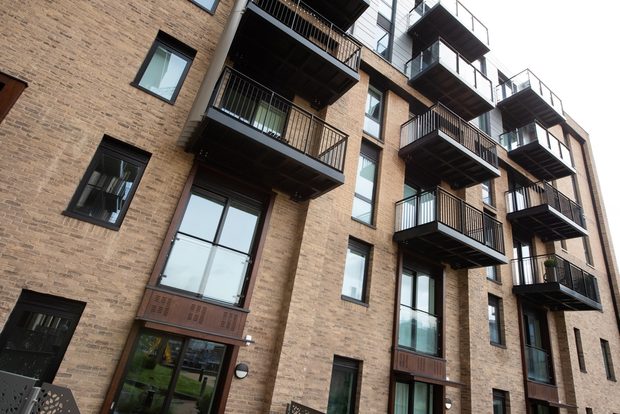
If you’re a leasehold homeowner, your rights and protections are about to get significantly stronger.
The government is on a mission to give millions of leaseholders greater control over their homes and the charges they pay for them.
Around 3 million leaseholders pay service charges in England, yet many do not know what sits behind them.
Paying to maintain, insure and repair your home is a normal part of homeownership. But for many flat owners, these decisions are made by someone else on their behalf.
That means costs can rise with little information about why or where the money is going. And challenging them can carry the real risk of footing your landlord’s legal bill - even if you win.
That is about to change.
From 1 April 2027, leaseholders will be able to:
🔎 See where their money goes: New legal rights will allow leaseholders to request more information about their service charges, including information going back further in time. Landlords will need stronger grounds to refuse to provide it.
💷 Challenge unfair costs more easily: You are no longer at risk of automatically footing your landlord’s legal bills for challenging something you think is unfair. The system will also be made fairer by giving leaseholders a new route to apply to recover their own legal costs in appropriate cases.
From 1 November 2027:
Less chasing and more information provided as standard.
Leaseholders will automatically get clearer information about:
- 🛡️ building insurance costs
- 💳 administration fees
- 🏠 service charges
Private landlords will also have to provide simpler, standardised service charge demands, financial accounts and annual reports.
Council and housing association leaseholders will benefit from the 1 November 2027 insurance and administration charge changes too. The simpler, standardised service charge demands, service charge accounts and annual reports will then extend to them from 1 November 2028.

💰 Could this help bring down my service charges?
It could help leaseholders push back on costs that are unreasonable, which is a major shift in power.
The new rights will give flat owners more of the evidence behind what they are being asked to pay, putting them in a stronger position to question costs that look wrong and challenge those they believe are unreasonable.
🔍 Landlords will also have to operate in a much more transparent and accountable way.
Clearer information, accounts and service charge demands will make it harder for poorly explained costs to go unchallenged, while fairer rules on legal costs will make it less risky for leaseholders to take action where they believe charges are unreasonable.
That means greater pressure on landlords to justify how leaseholders’ money is being spent and to manage those costs properly from the outset.
The reforms do not cap service charges because buildings still need to be maintained, repaired and insured. But where costs are unreasonable, leaseholders will have more information, stronger protections and a fairer route to challenge them.
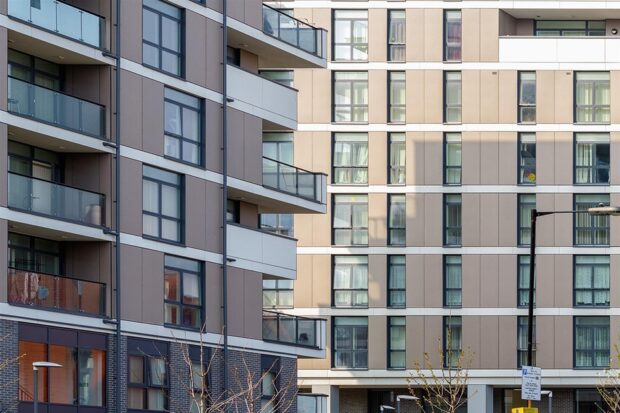
🤔 Wait, what actually is a service charge?
If you own a flat, you’ll usually pay towards the costs of looking after the building and the spaces you share with your neighbours, such as:
- 🧹 cleaning communal areas
- 🛗 maintaining lifts
- 🔧 repairing the roof
- 🛡️ insuring the building
The difference from owning a house, which is usually freehold, is that someone else often manages these things on your behalf - so you’re paying towards costs you don’t necessarily control yourself.
That’s why homeowners should be able to see what they’re paying for and why and have a fair opportunity to challenge costs they believe are unreasonable.
➡️ And there’s more reform to come
These new protections are part of a much wider shake-up of leasehold.
The Prime Minister has pledged to introduce the Commonhold and Leasehold Reform Bill in Parliament before Christmas, bringing further reforms to give existing and future flat owners greater rights, protections and control.
The Bill will include the already announced plans to:
- 💷 cap existing ground rents at £250 a year
- 🔑 make it easier for existing leaseholders to move to commonhold
- 🏗️ make the revised commonhold model the default for most new flats
🏠 Commonhold means owning the freehold of your flat and having a greater say with other owners over how your building is run.
Recent Comments