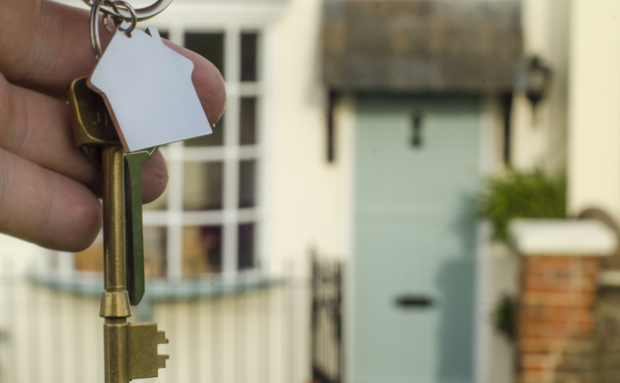
The way you buy and sell a home is changing to make it faster, simpler, and more certain.
🔑 What does that mean?
- You’ll experience a quicker, more reliable route to completion
- Upfront information - Sellers must provide key details about the property (like condition, leasehold costs and the chain) before a home is listed
- Fewer fall-throughs – Binding transactions will mean buyers or sellers can’t just pull out without a valid reason
- Smoother digital process – Doing away with endless paperwork, with digital tools including property logbooks, digital ID checks, and e-signatures to finally streamline and speed up transactions
- AI support - Using AI to reduce paperwork and help move transactions along faster
🏠 What this means for you
- Move faster – buying a home could be around 4 weeks quicker
- Save money – first-time buyers could save around £650 on average
- More certainty – fewer sales falling through at the last minute – taking away some of the stress of the process
- More confidence – being secure in the system that help you buy or sell your home
📊 Why the current system needs fixing
- It takes around 120 days on average to complete a purchase
- Around 1 in 3 sales fall through, causing frustration and delay
- Failed sales cost sellers around £400 million a year
- The wider cost to the economy is up to £1.5 billion annually
📅 What happens now?
- We’re rolling out a new non statutory Code of Practice and a Charter which will raise standards among property agents
- We’ll work to improve how information is shared with you upfront in property listings and by introducing property sales packs.
- We’ll consult on introducing mandatory qualifications for estate agents
- We’ll work with industry to introduce binding contracts for property transactions
- We’ll work behind the scenes to improve home buying and selling data to make it quicker and easier for conveyancers to carry out their checks
- Changes will be introduced from later this year through to 2030
❓ Common questions
- Will this speed up my current move?
Some changes will take time to roll out, but improvements will start to happen as reforms are introduced. - Will buying a home become cheaper?
The reforms are designed to slash wasted costs from delays and failed sales. First time buyers are expected to save £650 per transaction on average. - What do I need to do differently?
If you’re a seller, you’ll need to provide more information about your property upfront and prepare a sales pack, but you’ll benefit from better information and a smoother process.
Phil Spencer, Move iQ founder - top tips when buying or selling a home:
Questions buyers should ask before making an offer:
- Are there any structural issues, repairs, insurance claims or ongoing costs?
- Will key elements of the property such as the roof, boiler, windows or electrics need replacing?
- Why is the property being sold and how quickly do they need to move? Have they had an offer accepted on another property (if relevant)
- What’s happening locally (developments, noise, transport, amenities, mobile phone/broadband signals)?
- Am I ready to proceed (mortgage, solicitor, paperwork in place)?
Things sellers should check before listing or accepting an offer:
- Have I disclosed anything that could affect a buyer’s decision?
- Is my paperwork ready (including evidence of works carried out)?
- Have I instructed a solicitor?
- Am I ready to proceed quickly?
- Is my asking price realistic for the current market? Am I willing to adjust if needed?
Move iQ's Golden Rule:
- Ask questions early, do your research thoroughly, and ensure you're fully prepared before making or accepting an offer.
- The more information both parties have at the outset, the smoother and less stressful the transaction is likely to be.
Recent Comments