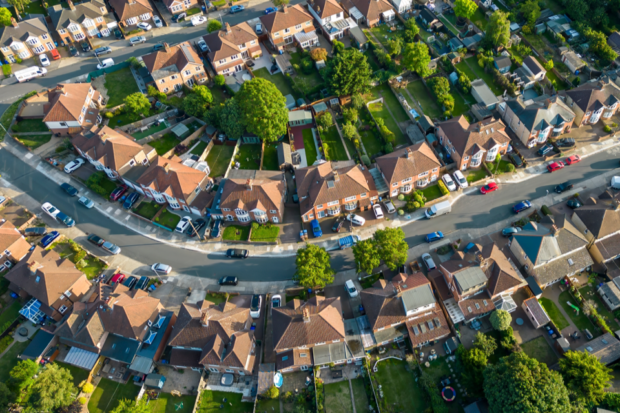
✅ Good news if you rent privately, as your local council can now take stronger action against your landlord if your home is found to have a serious hazard.
A new power in the Renters’ Rights Act is now in force, giving councils the authority to issue on the spot fines of up to £7,000 if they find serious health and safety issues in your rented home.
Here are the changes explained.
What kind of hazards?
The fine applies to housing issues that are rated ‘serious’ – the most dangerous level - and these are often hazards like:
🦠 Severe damp and mould
❄️ Freezing temperatures or broken boilers
⚡ Faulty electrics
These are dangers that put people’s health and safety at risk, especially children, older people and those with disabilities and health conditions.
This new fine is a strong power that will encourage landlords to act more quickly to fix issues - improving standards for private renters and protecting them against serious risks.
🔧 Upgraded health and safety rules
On top of this new power, the rating system that helps councils identify dangerous hazards is getting a long overdue makeover.
The Housing Health and Safety Rating System (HHSRS) has been revamped for the first time in 20 years.
It is now simpler and clearer to use, making it easier for councils to spot risks and act quickly to protect tenants in all types of housing.
The system lists 21 hazards and your council has a duty to act on them if any are found to be rated ‘serious’.
🏛️ What powers do councils already have?
The £7k fine strengthens existing action.
Councils can already:
🛠️ Force landlords to repair serious hazards by a set timeframe
⚖️ Take landlords to court
🚨 Carry out the emergency works themselves if there’s an immediate danger
💰 Recover repair costs from landlords, including placing a charge on the property - and in extreme cases, forcing its sale
📊 Why this matters
- Around 1 in 10 privately rented homes contain serious hazards
- Councils have a duty to act when these are found
The Housing Secretary Steve Reed has urged councils to go as far as possible with their powers to clamp down on poor conditions.
🗣️ What the Housing Secretary says
In a letter to mayors on Monday 22 June, the Housing Secretary Steve Reed said:
“The Government is acting to drive up standards in the private rented sector and make sure that strong action can be taken against landlords who fail to meet legal requirements.”
See the full press release here.
What are the 21 hazards?
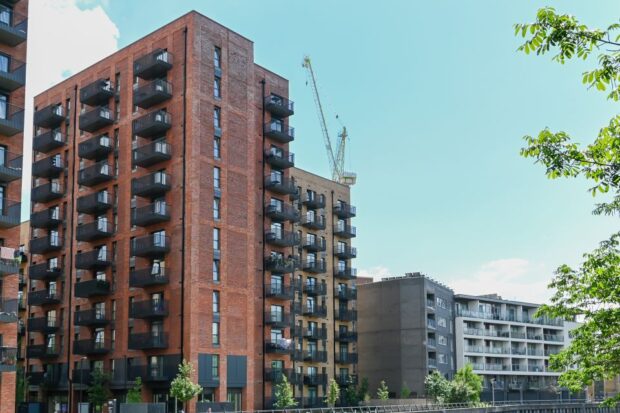
These are the hazards in the Housing Health and Safety Rating System, which are assessed and scored.
If the score is high enough, it’ll be category 1 – meaning it is dangerous - and could warrant a fine of up to £7k.
1. Damp and mould growth
Exposure to house dust mites, damp, mould or fungal growths.
2. Excess cold
Exposure to low temperatures.
3. Excess heat
Exposure to high temperatures.
4. Asbestos and MMF
Exposure to asbestos fibres or manufactured mineral fibres.
5. Indoor Air Pollutants (new amalgamated hazard)
(1) Exposure to uncombusted fuel gas.
(2) Exposure to chemicals used to treat timber and mould growth
(3) Exposure to carbon monoxide, nitrogen dioxide, sulphur dioxide and smoke
(4) Exposure to volatile organic compounds.
6. Lead
The ingestion of lead.
7. Radiation
Exposure to radiation.
8. Crowding and space
A lack of adequate space for living and sleeping.
9. Entry by intruders
Difficulties in keeping the dwelling or HMO secure against unauthorised entry.
10. Lighting
A lack of adequate lighting.
11. Noise
Exposure to noise.
12. Domestic hygiene (new amalgamated hazard)
(1) An inadequate provision of facilities for the storage, preparation and cooking of food.
(2) Poor design, layout or construction such that the dwelling or HMO cannot readily be kept clean.
(3) Exposure to pests.
(4) An inadequate provision for the hygienic storage and disposal of household waste.
(5) An inadequate provision of facilities for maintaining good personal hygiene.
(6) An inadequate provision of sanitation and drainage.
13. Water supply
An inadequate supply of water free from contamination, for drinking and other domestic purposes.
14. Falls on the level (new amalgamated hazard)
(1) Falls associated with toilets, baths, showers or other washing facilities;
(2) Falling on any level surface.
(3) Falling between surfaces where the change in level is less than 300 millimetres.
15. Falling on stairs etc
Falling on stairs, steps or ramps where the change in level is 300 millimetres or more.
16. Falling between levels
Falling between levels where the difference in levels is 300 millimetres or more.
17. Electrical hazards
Exposure to electricity.
18. Fire and explosions (new amalgamated hazard)
(1) Exposure to uncontrolled fire and associated smoke and fumes.
(2) An explosion.
19. Flames, hot surfaces etc
Contact with—
(a) controlled fire or flames;
(b) hot objects, liquid or vapours.
20. Collisions, Entrapment and Ergonomics (new amalgamated hazard)
(1) Collision with, or entrapment of body parts in, doors, windows or other architectural features.
(2) The position, location and operability of amenities, fittings and equipment.
21. Structural collapse and falling elements
The collapse of the whole or part of the dwelling, building or HMO.
Recent Comments