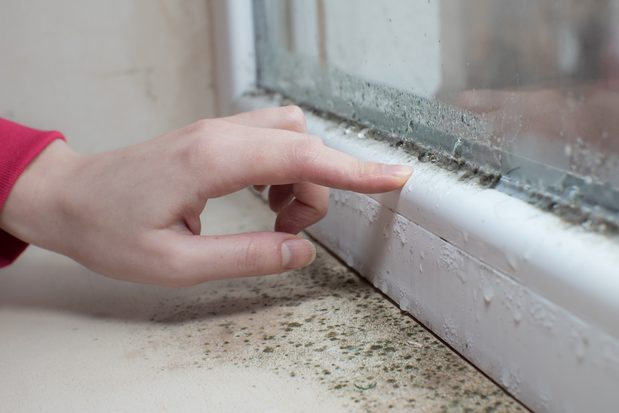
If your landlord ignores dangerous problems like severe damp and mould, they won't get away with it.
The government is consulting on how to bring forward tougher rules to get dangerous problems fixed faster, by setting legal deadlines for landlords to act.
These stricter rules will come through Awaab’s Law which is already protecting social housing tenants - private renters will be next to benefit.
The protections could also be extended to other types of housing in future, helping homeless people in temporary accommodation, care leavers and people living in supported housing.
What does Awaab’s Law do?
Currently, Awaab’s Law requires social landlords to investigate dangerous hazards and act to make social homes safe within legally set timeframes.
It was created in memory of two-year-old Awaab Ishak, who died in 2020 following prolonged exposure to severe damp and mould.
If approved in Parliament, more protections through Awaab's Law will support social housing tenants from 30 November 2026 - speeding up action on more dangerous hazards beyond severe damp and mould. See more info here.
What counts as a hazard?
The Housing Health and Safety Rating System lists the types of hazards found in homes. Landlords must act when a hazard is judged to be at the most dangerous ‘Category 1’ level. Hazards can include:
🦠 dangerous damp and mould
⚡ electrical faults
❄️ cold homes that cannot be heated properly
🚶 issues causing falls and trips
When will private renters benefit from Awaab’s Law?
The government is now seeking views from private tenants, private landlords, charities and housing experts to help decide how the protections should work and when they should begin for private renters. You can respond to the government's consultation here which closes on 18 December 2026.
Private landlords already risk fines of up to £7,000 if a serious hazard is found in their property – a new protection brought in by the Renters’ Rights Act.
Renters' rights are already significantly stronger, helping them feel more secure in their home and confident when raising issues with their landlord. Private tenants can no longer be evicted for no reason and can challenge above-market rent increases in court - all thanks to the Renters' Rights Act.
See the full press release here on extending Awaab's Law to private tenants and other types of housing.
Key stats:
🏠 Around 9 million homes in England could ultimately be protected by Awaab's Law if extended beyond social housing, more than doubling its reach
⚠️ 1 in 10 private rented homes contain a serious health and safety hazard
📉 22% of private rented homes fail basic standards for a safe, decent and warm home
🏘️ More than 134,000 households are currently living in temporary accommodation in England
🏠 More than 535,000 supported housing units are in England
👩🎓 There are around 98,000 care leavers aged 18-24 in England
Recent Comments